What to Expect
Come, join in Lutheran worship that uplifts the word of God for our daily lives.
What should I wear?

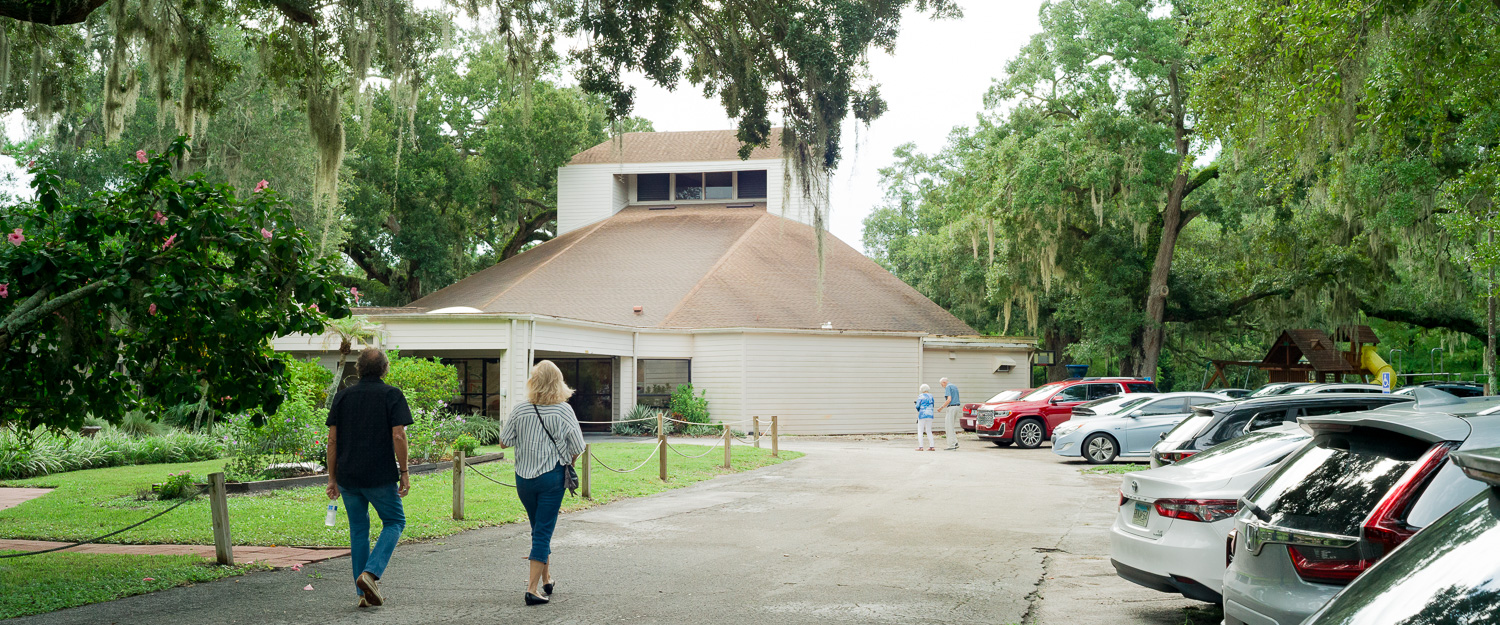
It’s tropical Florida - shorts and t-shirt to jeans, slacks and a polo are all acceptable and you’ll be part of the family.
Do I have to be Lutheran to attend?
No, you do not have to be Lutheran! All faith backgrounds are welcome.
Are children welcome in worship?
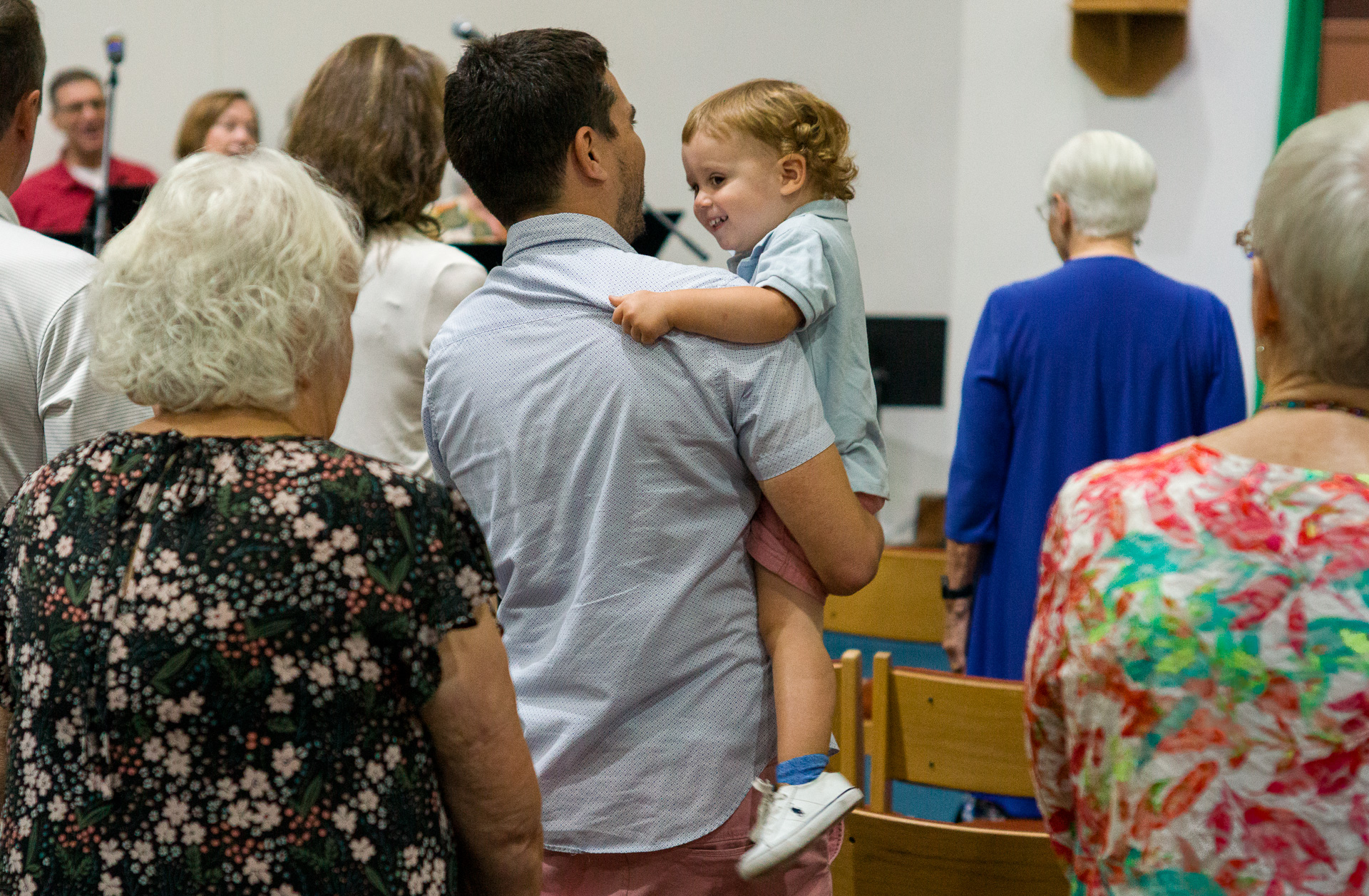
Children are absolutely welcome in worship! You will find a children’s welcome basket just inside the sanctuary doors that is filled with lots of kids’ activity items that they are welcome to enjoy during worship. The sound and energy of children is a gift from God, and we celebrate that.
Who may receive Holy Communion?
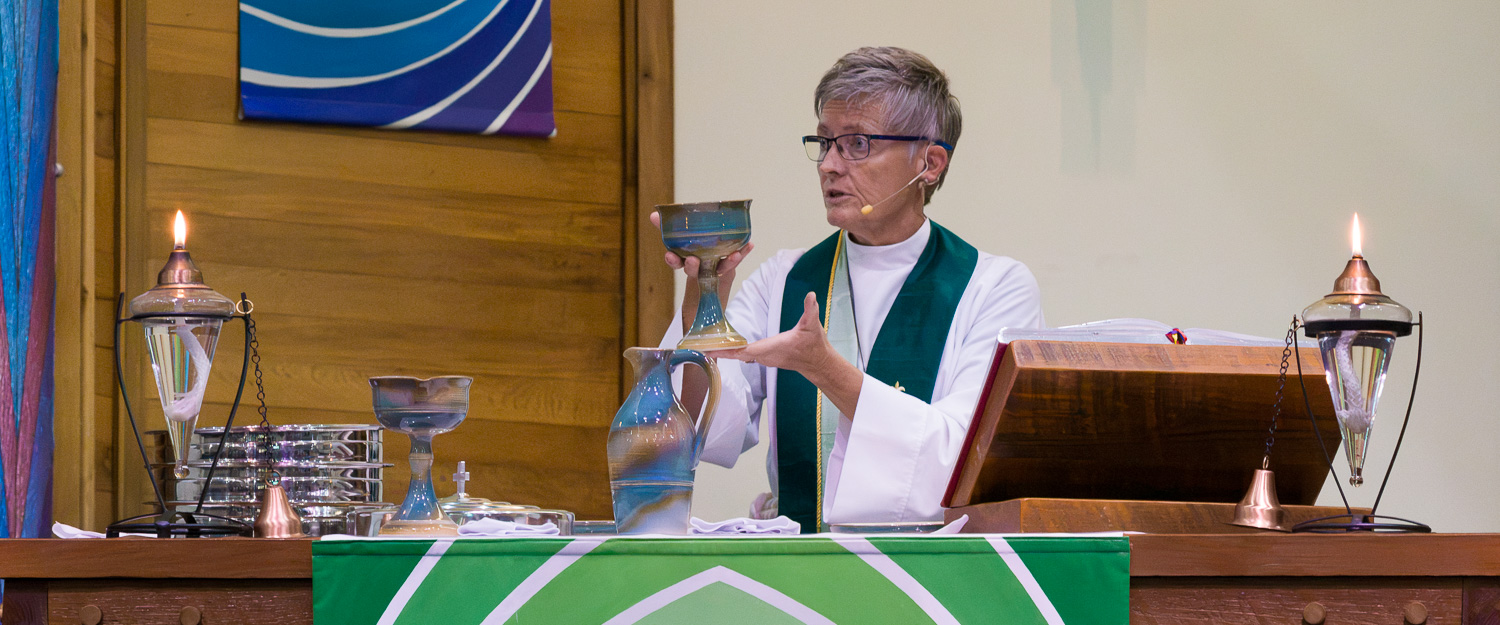
You have our personal invitation to our communion table at every worship service. It is open to all who know Jesus as their Lord and Savior or anyone who desires that for their life. We are fed in our faith through the holy meal of bread and wine (or grape juice if you prefer), so we celebrate communion at every worship service. If you would prefer to receive a blessing rather than communion, you are encouraged to come forward with your arms crossed on your chest.
How do I become a member?
We are excited that you would like to become a member of LCR!
The first step is to contact Pastor Lynn. She will discuss and answer all your questions and how to proceed with becoming a new member.
Have A Question?
See something here you have a question about?
Get in touch with Pastor Lynn by clicking the button below.
Looking for something that you don’t see?
We’re on the other end of this line to talk through it with you.
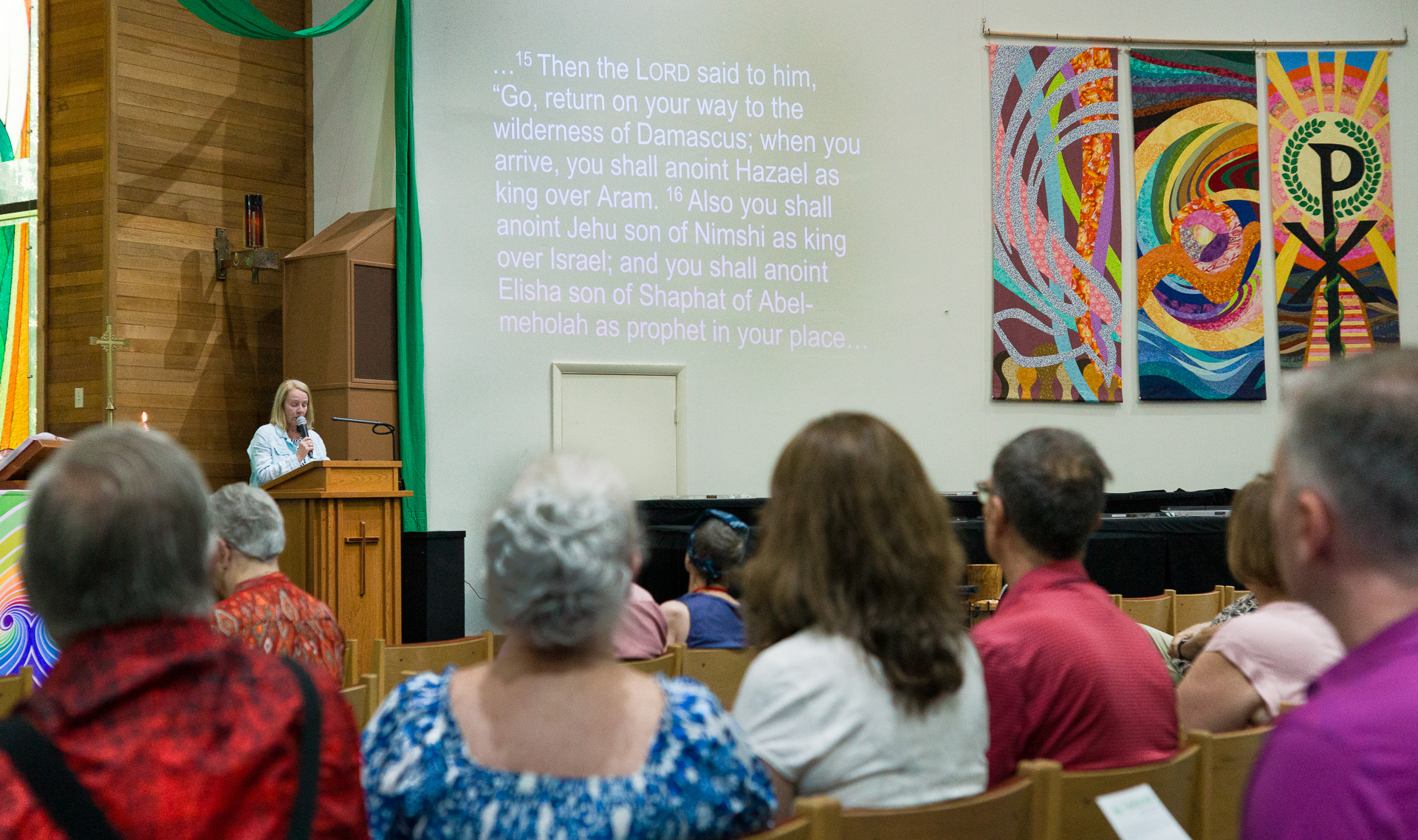
About Lutheran Worship
Why we always begin worship with “Confession and Forgiveness”
We are an assembly of people who participate in God’s gift of Word and Sacrament. We come to His table weekly to receive by faith, Christ’s body and blood, which sustains us in our daily Christian walk.
To come to this table, we need to own our shortfalls, our sin that separates us from God so that we can receive the Lord’s abundant grace, mercy and forgiveness. Confession and forgiveness then, acknowledges our human sinfulness, and restores our spiritual readiness as we enter into our time of worship and praise of God. It sets our heart right, to truly and fully encounter the presence of God. It is an act of Christian obedience to acknowledge our ongoing need for God’s mercy and grace.
1 John 1:9 If we confess our sins, He is faithful and just and will forgive us our sins and purify us from all unrighteousness.
Psalm 32:5 Then I acknowledged my sin to you and did not cover up my iniquity. I said, “I will confess transgressions to the Lord” and you forgave the guilt of my sins. Our imperfect humanness always falls short of the glory of God, but with confession and forgiveness each week we are restored and made new through God’s forgiveness, and we are then fully fed at His table receiving His grace and mercy to help us to embark on the week ahead.Why do we sing Holy, Holy, Holy before our Words of Institution?
It is a great question and there is a great reason!
Like all of our wonderful Lutheran liturgy, it is founded directly from biblical scripture and draws us to God, His heavenly realm and our ongoing need for His grace and mercy.
Holy, Holy, Holy comes from Isaiah 6:3, Revelation 4:8 and Matthew 21:9.
It is also called the “Sanctus”, and it is an expression of awe and wonder, our unworthiness and our praise to God. It connects us with what the angels sang to Isaiah in the Old Testament, what John experienced in his vision of heaven and the throne room, and to Jesus’ triumphal entry into Jerusalem.
It brings into focus God’s sovereignty as we enter into the Words of institution and the mystery of Holy Communion. It connects us with the history of worship before Jesus’ time and provides an anchor to our core Christian beliefs that we profess every week in the Apostles’ Creed and the Lord’s Prayer.
Holy, holy, holy Lord, Lord God of power and might,
heaven and earth are full of your glory.
Hosanna in the highest. Blessed is he who comes
in the name of the Lord. Hosanna in the highest.
Why does the Pastor wear a clerical collar and what is its significance?
Clerical collars originated in the mid-1800’s when a Scottish Presbyterian pastor created the collar as part of the clergy attire to be a visible sign of identity and the calling of God on their life.
On a Sunday morning or during hospital and care home visits, it is an immediate visible sign who the pastor of a congregation is and their spiritual role. Visitors can readily identify the pastor from the congregation members that have gathered for worship. The collar is also a reminder to the pastor of their role and responsibility of God’s calling on their life. So, it is not just something I wear, but something I live into as a called and ordained minister in the church of Christ.
The white collar can be a tab at the front of the clergy shirt or encompass the entire neck. The symbolism of the white collar has theological significance. White is a symbol of purity and the white collar over the vocal cords symbolizes purity in speech, and purity in preaching. Again, it is a powerful reminder to me as an ordained pastor the responsibility I carry in preaching God’s word with truth and integrity.
The clerical collar is shared across many Christian traditions and has been shaped by history, purpose and identity.
Our Campus
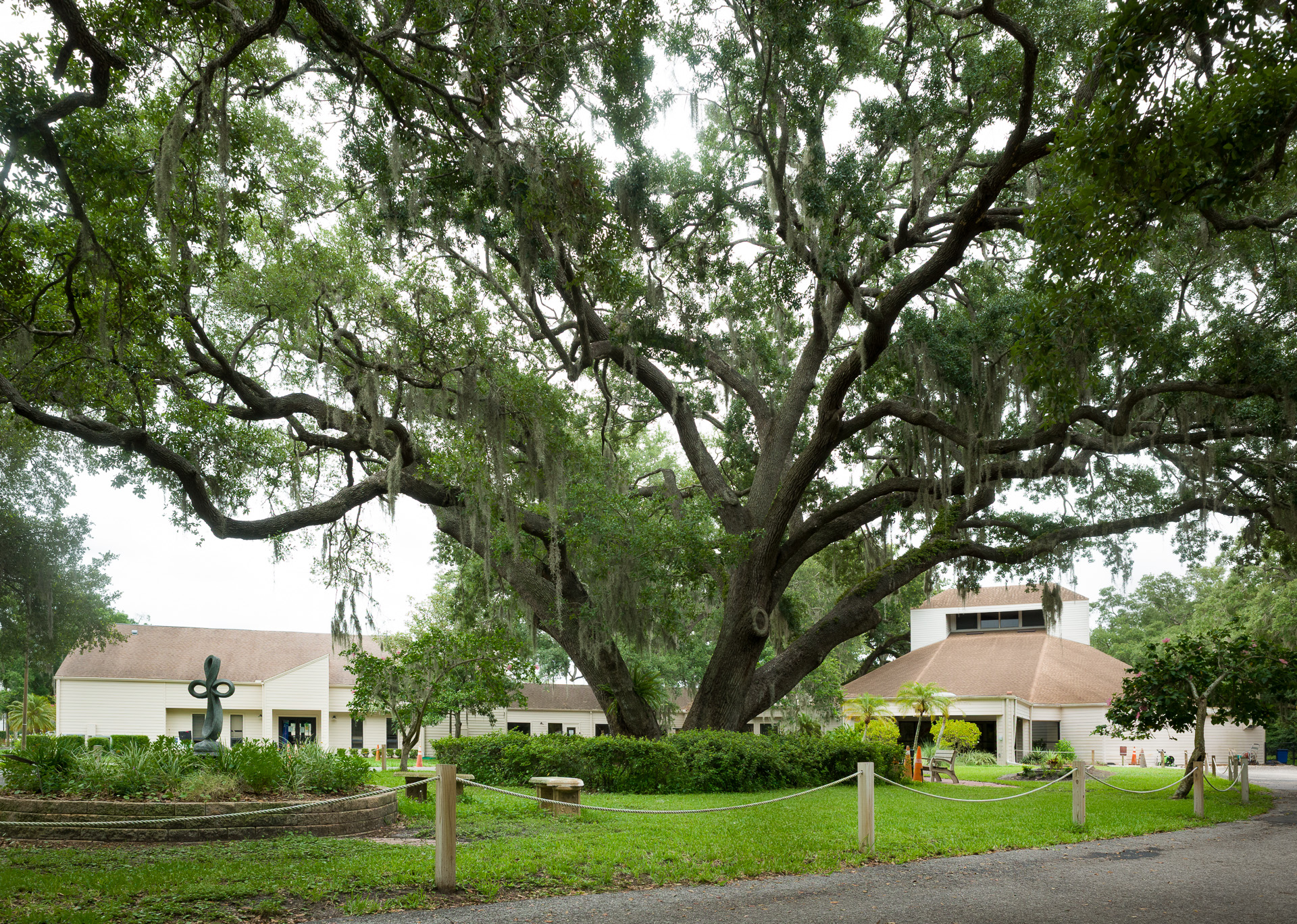
A beautiful five and a half acre campus in the heart of the East Lake community with covered drive-up zero-entry accesses to the sanctuary and fellowship halls, and lots of parking. Located at:
1555 Windmill Pointe Rd, Palm Harbor, Florida
The large fellowship hall with full commercial kitchen, our gathering room or campus grounds are available to book for your special event or meeting. Please reach out to our office for more information.
Copyright 2026 Lutheran Church of the Resurrection
All Rights Reserved.